
What Are Polymers? A Beginner’s Guide to Modern Materials
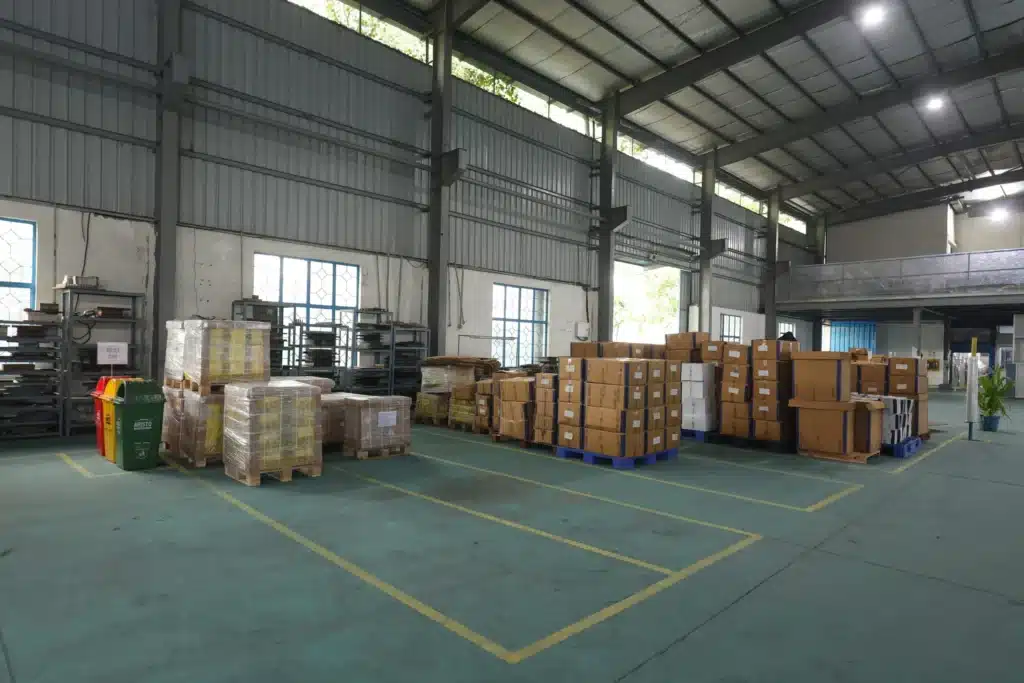
Introduction: Polymers are everywhere – from the packaging that protects your food to the components inside your car. But what exactly are polymers, and why are they so important in today’s world? In this article, we’ll break down the basics of polymers, the different types, and how they’re used across industries. What Are Polymers? At a basic level, polymers are large molecules made by repeating smaller units called monomers. Think of them like chains made of identical or similar links. These molecular chains can be natural (like rubber or DNA) or synthetic (like polyethylene or nylon). Types of Polymers: Where Are Polymers Used Why Are Polymers So Popular? Looking Ahead: The Future of Polymers As industries push for more sustainable and high-performance materials, the role of advanced polymers continues to grow. From bio-based polymers to self-healing materials, innovation is at the heart of this evolving field. Conclusion Polymers are the backbone of modern manufacturing and product design. Whether you’re an engineer, designer, or consumer, understanding these materials gives you insight into the products we use every day — and the future innovations still to come.
Top 5 Industries Revolutionized by Polymer Technology
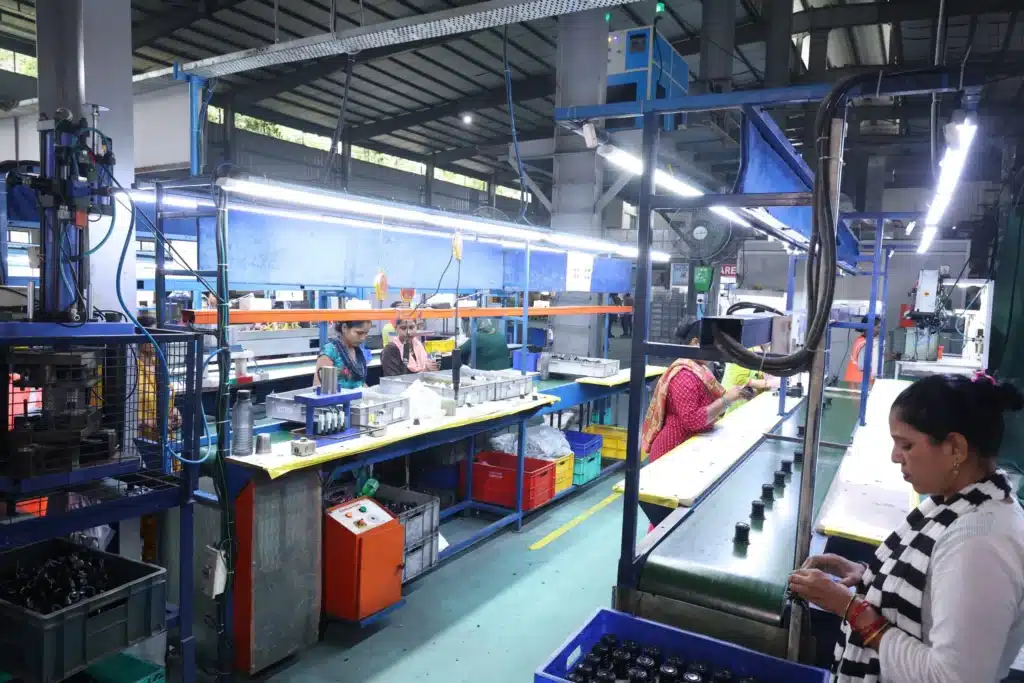
Introduction: Polymers are more than just plastics — they’re powerful, flexible materials that have reshaped the way modern industries operate. From lightweight car parts to life-saving medical devices, polymer technology plays a critical role in innovation and performance. In this blog, we’ll explore the top 5 industries where polymers have made a transformative impact. 1. Automotive Industry What’s changed:Polymers have helped reduce vehicle weight, improve fuel efficiency, and enhance design flexibility. Applications include: Benefits: 2. Medical and Healthcare What’s changed:Polymers have become vital in both disposable and implantable medical products, offering flexibility, sterility, and biocompatibility. Applications include: Benefits: 3. Packaging Industry What’s changed:Flexible and rigid polymer packaging has replaced traditional materials like glass and metal due to its durability and lightweight properties. Applications include: Benefits: 4. Construction and Infrastructure What’s changed:Polymers have replaced traditional building materials in many applications due to their weather resistance, strength, and ease of use. Applications include: Benefits: 5. Electronics and Electrical What’s changed:Polymers provide electrical insulation, flexibility, and lightweight protection in devices and systems. Applications include: Benefits: Conclusion Polymer technology continues to drive innovation in some of the world’s most critical industries. Whether in cars, hospitals, packaging, homes, or electronics, the unique properties of polymers — strength, flexibility, resistance, and cost-efficiency — make them indispensable in the modern world.
Mastering the First Impression: Your intriguing post title goes here
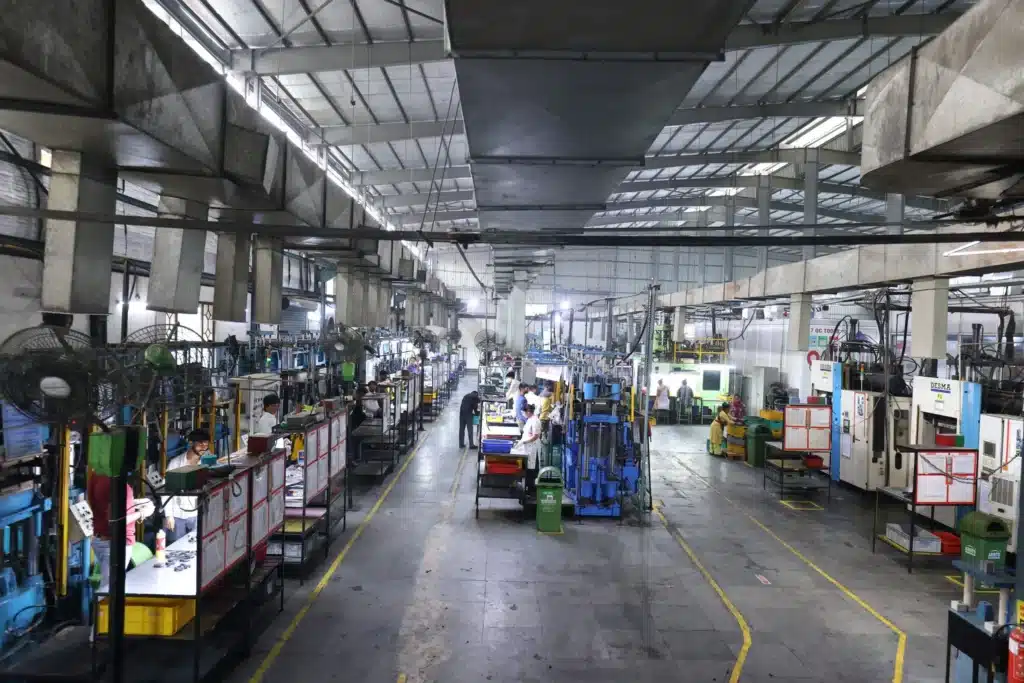
How Sustainable Are Polymers? The Future of Eco-Friendly Plastics Introduction: Plastic pollution and environmental concerns have put the spotlight on the materials we use daily. While polymers have transformed industries with their durability and versatility, there’s growing demand for sustainable alternatives. In this post, we’ll explore how sustainable polymers are reshaping the future of materials — and what that means for manufacturers, consumers, and the planet. 🌱 What Are Sustainable Polymers? Sustainable polymers are materials designed to reduce environmental impact. These can be: These materials are developed to offer the same benefits as traditional plastics — strength, flexibility, and performance — but with less harm to the environment. ♻️ Types of Sustainable Polymers 🔄 The Circular Economy & Polymers A sustainable future depends on a circular economy — where materials are reused, not discarded. Polymers can play a key role if: 🏭 Industries Embracing Sustainable Polymers 🚀 Innovation Spotlight: What’s Next? Emerging technologies are taking sustainable polymers even further: Research is ongoing to improve performance, lower costs, and scale production of these green materials. ❗ Challenges to Overcome Still, growing regulations and consumer demand are pushing companies to innovate. ✅ Conclusion Sustainable polymers offer a powerful solution to one of the world’s most pressing challenges: plastic pollution. By embracing innovation in bio-based and recyclable materials, industries can reduce their environmental footprint — without compromising performance.
